Heat Pump Installation Guide for Nova Scotia Homeowners
Installing a heat pump is one of the most effective ways Nova Scotia homeowners can improve energy efficiency while reducing long-term heating costs. Modern cold-climate systems are designed to perform reliably through Atlantic winters, but proper installation is essential for efficiency, comfort, and rebate eligibility. This guide explains what to expect before, during, and after a professional heat pump installation in Nova Scotia.
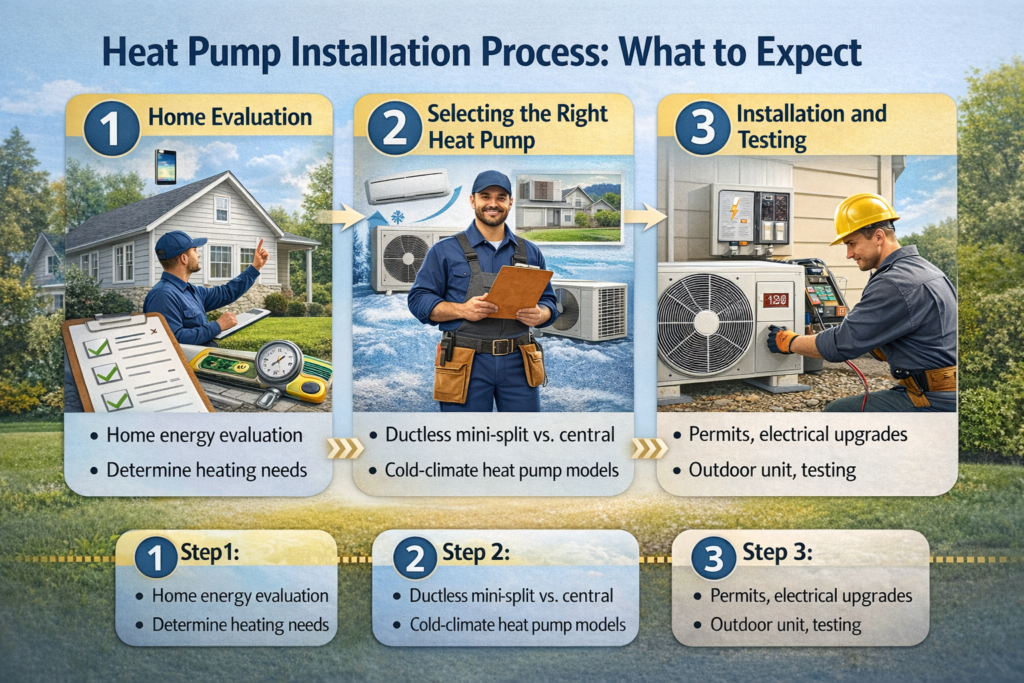
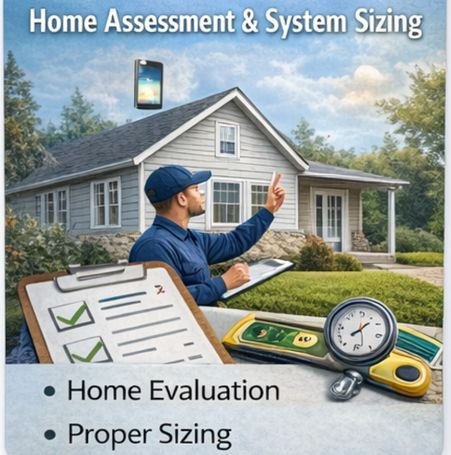
Step 1: Home Assessment & System Sizing
Before installation begins, a qualified technician evaluates:
• Home size and layout • Insulation levels • Existing heating system • Electrical capacity • Heating and cooling needs
Proper sizing is critical. An undersized system may struggle in colder months, while an oversized unit can cycle inefficiently.
Many Nova Scotia rebate programs require documentation from this assessment phase.
Step 2: Choosing the Right Heat Pump System
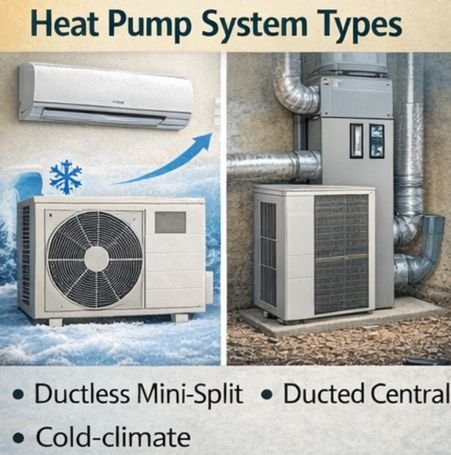
Homeowners typically choose between:
Ductless Mini-Split Systems
Ideal for homes without existing ductwork and for targeted room control.
Ducted Central Systems
Suitable for homes with existing ductwork or full-home heating solutions. Cold-climate rated models are recommended for Nova Scotia’s winter conditions.
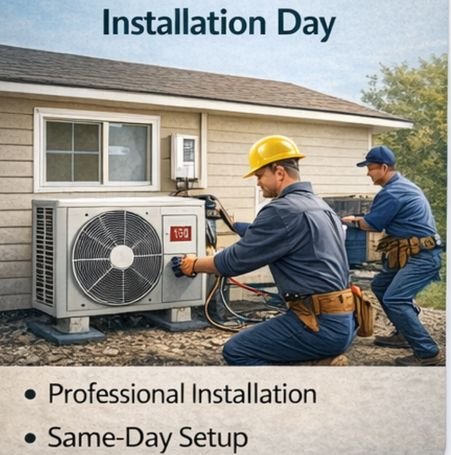
Step 3: Installation Day – What to Expect
Professional installation usually includes:
• Mounting indoor air handlers • Installing the outdoor compressor unit • Electrical connections • Refrigerant line setup • System calibration and testing
Most residential installations are completed within one day, depending on system complexity.
Clear communication with your installer helps ensure proper placement and minimal disruption.
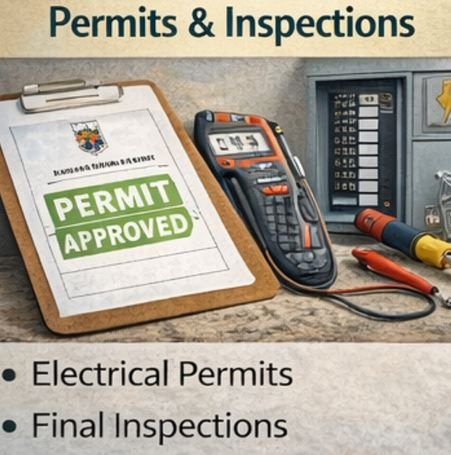
Step 4: Permits & Inspections
In some municipalities, electrical permits may be required for heat pump installation. Licensed professionals typically handle this process.
Ensuring all permits are properly filed protects homeowners and may be required for rebate eligibility.
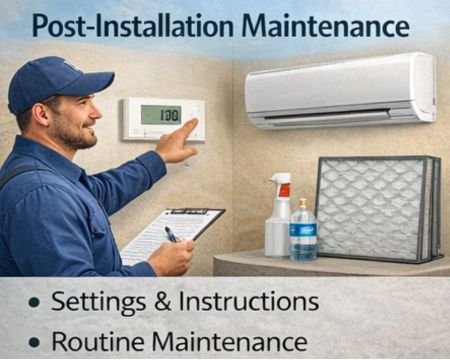
Step 5: Post-Installation Setup & Maintenance
After installation:
• The system is tested • Thermostat settings are explained • Maintenance instructions are reviewed
Routine maintenance — including filter cleaning and annual servicing — ensures long-term efficiency and warranty compliance.
Working With Qualified Heat Pump Installers in Nova Scotia
Choosing experienced installation professionals is essential for performance, safety, and rebate qualification. Homeowners should look for licensed, insured contractors familiar with Nova Scotia energy programs.
Several established installers operate throughout the province, including companies such as Quinn Energy, which provides residential heat pump installation services tailored to Nova Scotia’s climate conditions.
Frequently Asked Questions
How long does heat pump installation take?
Most residential installations are completed in one day, though complex systems may take longer.
Do I need to upgrade my electrical panel?
Some homes may require electrical upgrades depending on system size.
Are heat pumps effective in Nova Scotia winters?
Modern cold-climate models are designed to operate efficiently in low temperatures.
Will installation qualify for rebates?
Eligibility depends on using approved equipment and certified installation professionals.